
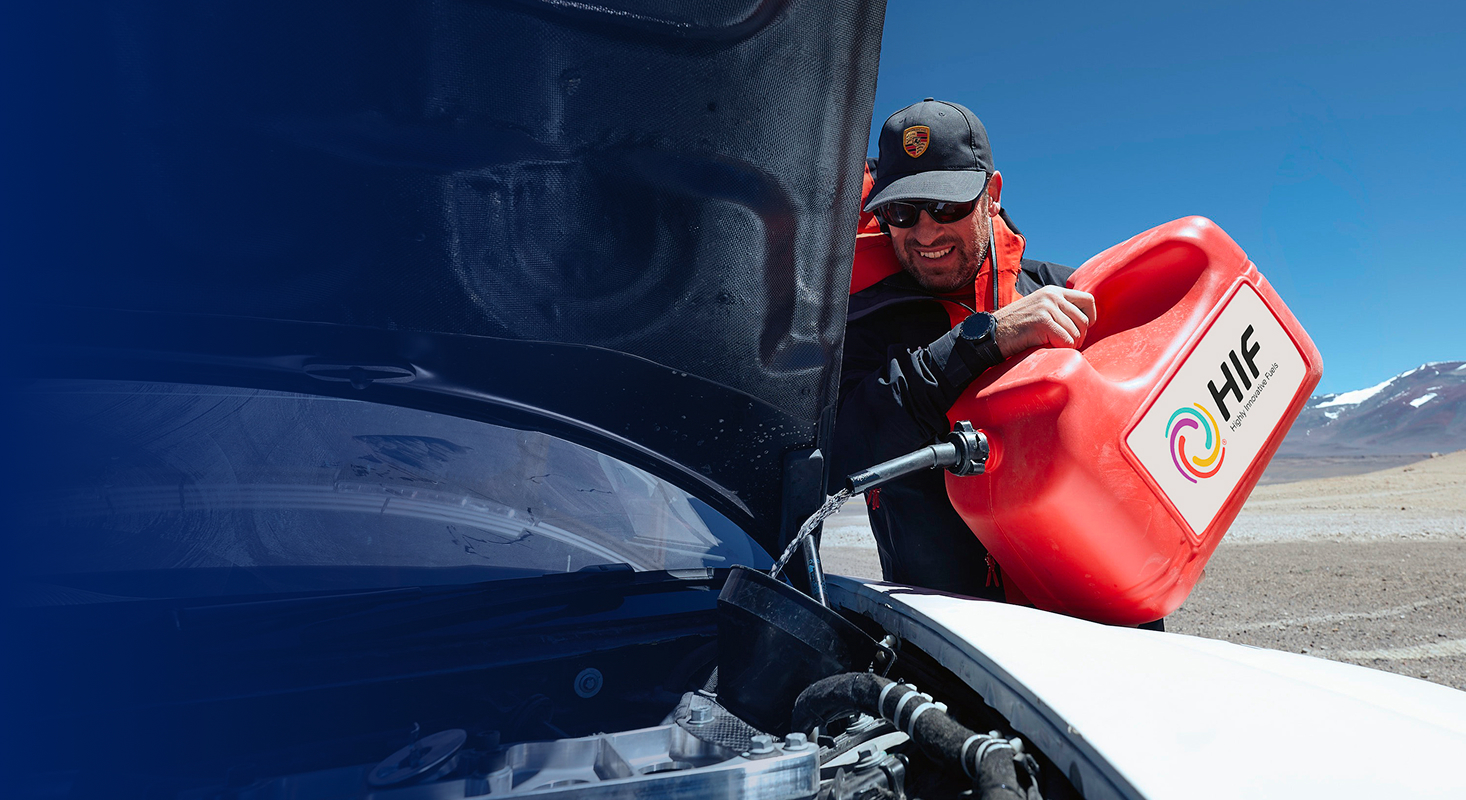
Pronto produciremos e-SAF.
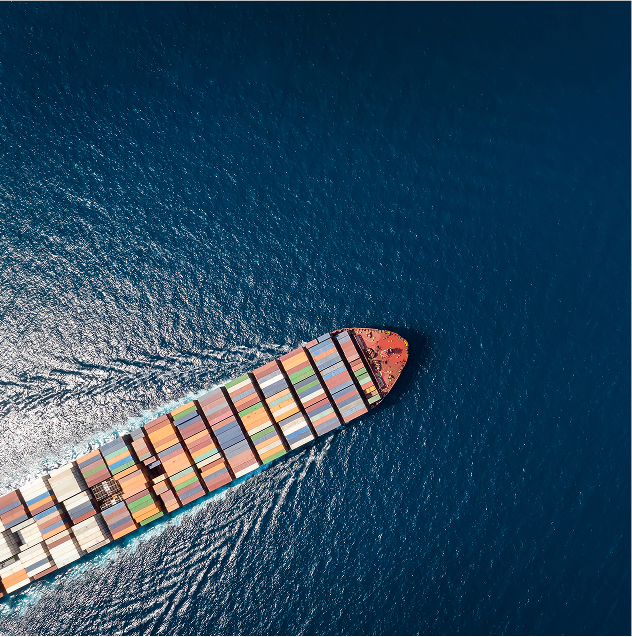
El sector marítimo contribuye cada año con más de 1.000 millones de toneladas de CO₂ a las emisiones globales de gases de efecto invernadero. Nuestro e-metanol se fabrica a partir de CO₂ capturado, lo que ofrece a los operadores navieros un combustible marino renovable que reduce las emisiones a lo largo de todo el ciclo de vida sin necesidad de modificar los buques actuales equipados con motores de metanol. El e-metanol también puede utilizarse como materia prima para producir otros e-combustibles, como la e-gasolina o el e-SAF, y mantiene la flexibilidad necesaria para abastecer al sector del mercado de mayor valor.
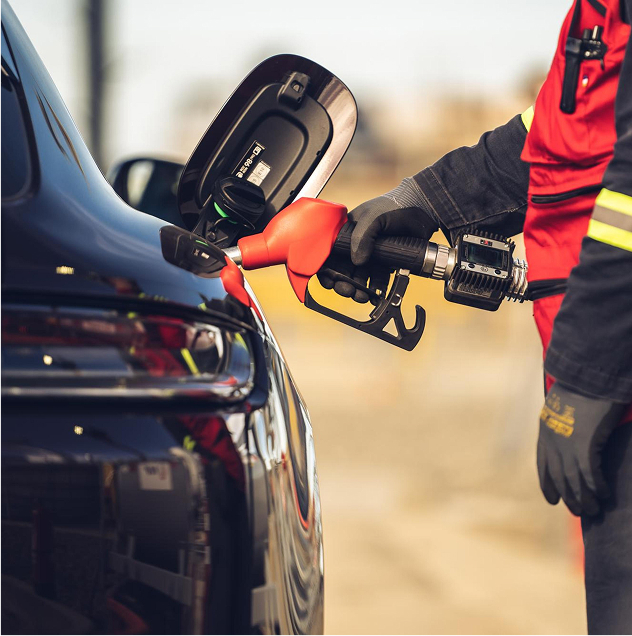
El transporte por carretera es una de las principales fuentes de emisiones de CO₂, con más de 1.500 millones de turismos con motor de combustión interna circulando actualmente. La e-Gasolina de HIF reduce las emisiones y es compatible con los vehículos y la infraestructura existentes: los mismos motores, las mismas tuberías y las mismas estaciones de servicio. Llevamos produciendo e-Gasolina en nuestras instalaciones de HIF Haru Oni desde diciembre de 2022 y la estamos utilizando en vehículos y motores reales, desde el deporte del motor hasta el turismo en la Antártida.

La AIE prevé que la actividad de la aviación se duplicará para 2030 con respecto a los niveles de 2022, lo que la convierte en uno de los sectores más difíciles de descarbonizar. En el marco de la carrera mundial por impulsar los combustibles sostenibles para la aviación, el e-SAF es un combustible «drop-in» que puede utilizarse en las aeronaves actuales sin necesidad de modificar sus motores. Estamos desarrollando proyectos de e-SAF basados en la vía del metanol a combustible de aviación (MtJ), en colaboración con Honeywell UOP y Johnson Matthey. También hemos firmado un acuerdo con Airbus para impulsar el sector del e-SAF .
Desliza para descubrirlo.
Toneladas de e-Metanol producidas por HIF equivalen a

XXM de toneladas de CO2 reducidas

XXM Autos descarbonizados

XXM Millas aéreas descarbonizadas

XXM Millas náuticas descarbonizadas
La utilización de CO2 para la producción de e-Metanol y los correspondientes factores de conversión a e-Gasolina y e-SAF se basan en valores típicos del sector procedentes de estudios de ingeniería recientes y de la experiencia operativa real en Haru Oni. Los kilómetros aéreos se calculan utilizando un consumo de combustible de 0,0225 kg por km y asiento, un valor típico para un avión moderno de gran tamaño. La clase de buque New Panamax (10.000 TEU, 175 tpd de consumo equivalente de combustible búnker, 22 nudos de velocidad media) se utiliza a modo de ejemplo para calcular las millas náuticas que pueden descarbonizarse. El número de autos descarbonizados se obtiene a partir de una distancia media mundial recorrida en auto de 14.000 km al año con un consumo de gasolina de 7 litros cada 100 km.